
How to Host a Cannabis Tasting Party: A Complete Beginner's Guide
Discover how to host a memorable cannabis tasting party with confidence and creativity.
Wine tastings have been around for centuries. Coffee lovers compare beans from different regions, and craft beer fans happily spend an evening debating hops and malt. Cannabis fits naturally into that same world.
A tasting party isn't about seeing who can consume the most. It's about slowing down, comparing aromas, noticing flavors, and discovering how different strains express themselves. You might be surprised how different one flower can smell from another - even before it's consumed.
Whether you're introducing friends to premium cannabis or simply exploring your own palate, a tasting night is one of the easiest ways to learn more about the plant while having a relaxed evening together.
What Is a Cannabis Tasting Party?
Think of it more like a wine tasting than a traditional smoke session.
Instead of rushing through products, everyone takes time to look at the flower, smell it, discuss what they're noticing, and compare impressions. Some people immediately pick up citrus notes, while someone else notices pine, herbs, or berries.
There isn't a right or wrong answer. Part of the fun is realizing that everyone experiences aroma a little differently.
Step 1: Choose Three to Five Different Strains
Less is usually better.
Trying too many strains in one evening makes it difficult to remember what stood out. Three to five flowers gives everyone enough variety without becoming overwhelming.
Try mixing different styles together. For example:
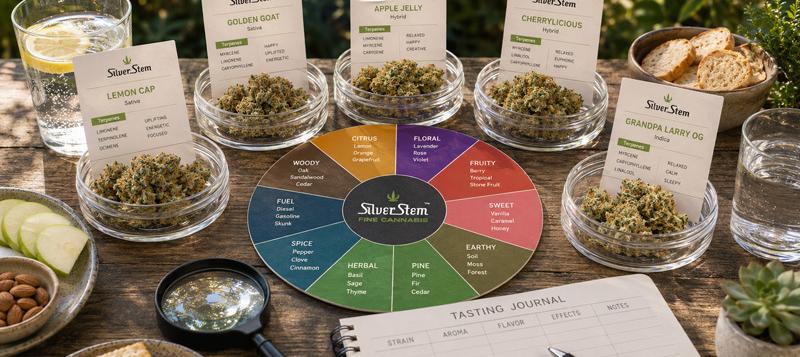
A bright citrusy flower like Lemon Cap
A tropical, energetic option like Golden Goat
A fruit-forward hybrid like Apple Jelly
A darker berry profile such as Cherrylicious
A classic earthy strain like Grandpa Larry OG
The goal isn't comparing THC percentages. Instead, you're comparing aroma, flavor, appearance, and terpene profiles.
Step 2: Create a Comfortable Tasting Setup
You don't need anything elaborate.
A clean table, comfortable seating, and good lighting go a long way. Strong candles, air fresheners, or cooking aromas can interfere with what you're trying to smell, so it's worth keeping the room fairly neutral.
It's also helpful to have:
- Water
- Plain crackers
- Bread
- Apple slices
These simple snacks can help refresh your palate between samples.
Step 3: Examine the Flower Before Consuming
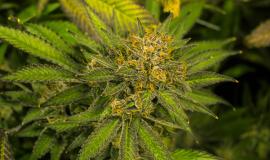
Before opening the grinder, spend a minute simply looking at each flower.
Notice things like:
- Color
- Density
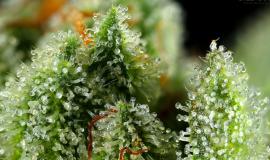
- Trichome coverage
- Pistils
- Trim quality
Ask simple questions. Does it look sticky? Does it sparkle under the light? Does it seem fresh or overly dry?
Appearance often tells part of the story before aroma even enters the picture.
Step 4: Explore the Aroma
This is where the tasting really begins.
Most of what you smell comes from terpenes. Before consuming, spend a little time smelling each flower. Breaking apart a bud often releases additional aromatic compounds that aren't noticeable at first.
Many experienced cannabis consumers use what's known as an aroma wheel to help describe what they're noticing.
Common aroma categories include:
- Citrus – lemon, orange, grapefruit
- Floral – lavender, rose, violet
- Earthy – forest floor, moss, fresh soil
- Woody – pine, cedar, oak
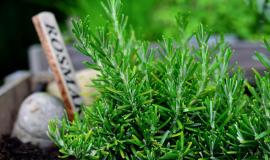
- Herbal – basil, sage, thyme
- Sweet – vanilla, honey, caramel
- Fruity – berry, apple, mango, tropical fruit
- Fuel – diesel or gasoline
- Spicy – pepper or clove
- Skunky
- Cheese
- Mint
- Chocolate
- Coffee
There are no correct answers. Everyone's nose is a little different, and that's part of what makes tasting enjoyable.
Step 5: Learn About Terpenes
Terpenes are aromatic compounds found throughout nature, not just in cannabis. They're largely responsible for the scents and flavors that make one strain different from another.
Some of the most common include:
Myrcene – earthy, musky, herbal
Limonene – bright citrus
Pinene – fresh pine
Caryophyllene – pepper and spice
Linalool – floral, lavender-like
Humulene – earthy with subtle hop notes
Terpinolene – fresh herbs, fruit, and light sweetness
No single terpene defines a strain. It's the combination that creates each flower's unique aroma and flavor.
Step 6: Taste the Flower
Many people notice that flavor isn't exactly the same as aroma.
A flower that smells strongly of citrus may finish with herbal or peppery notes. Another might open with berries before revealing pine, earth, or spice.
Common flavor notes include lemon zest, vanilla, berries, cookies, cream, chocolate, coffee, mango, mint, pepper, pine, and fresh herbs.
Take your time and compare impressions with your guests. You'll probably hear descriptions you hadn't thought of yourself.
Step 7: Record Your Impressions
Keeping a simple tasting journal makes it easier to remember what you liked.
| Strain | Aroma | Flavor | Dominant Terpenes | Appearance | Overall Rating | Notes |
|---|---|---|---|---|---|---|
After a few tasting nights, you'll probably start noticing patterns in the terpene profiles and flavors you enjoy most.
Step 8: Pair Cannabis with Food and Drinks
Food pairings can highlight different aroma and flavor notes, much like wine pairings.
- Citrus-forward flower — orange slices, lemon desserts, sparkling water
- Earthy strains — roasted nuts, mushrooms, dark bread
- Dessert-style cultivars — chocolate, cookies, ice cream
- Pine-forward flower — charcuterie and aged cheeses
- Berry cultivars — fresh berries or cheesecake
- Coffee-forward notes — espresso or cold brew
- Minty profiles — herbal tea and dark chocolate
Simple foods often work best because they let the flower remain the focus.
Try a Blind Tasting Challenge
For a little extra fun, remove the labels before passing the flower around.
See if everyone can identify broad aroma categories like citrus, pine, earth, fruit, fuel, or spice. Once everyone has written down their guesses, reveal the strains and compare notes.
It's a great reminder that everyone experiences cannabis a little differently.
Responsible Hosting Tips
- Make sure everyone is 21 or older.
- Follow local cannabis laws.
- Avoid mixing cannabis with alcohol.
- Encourage guests to start low and go slow.
- Keep water and snacks available.
- Encourage anyone who feels impaired not to drive.
- Suggest ride share services when appropriate.
Frequently Asked Questions
How many strains should I serve?
Three to five is usually the sweet spot.
Do THC percentages matter?
They're only one piece of the puzzle. Aroma, terpenes, freshness, and cultivation all play a role.
Should everyone consume every sample?
No. Everyone should participate at their own comfort level.
How much flower do I need?
A small amount of each strain is usually enough for a tasting.
Can beginners host a tasting?
Absolutely. A tasting is about learning, not being an expert.
What's the difference between aroma and flavor?
Aroma is what you smell before consumption, while flavor is what you notice during consumption. They often overlap but aren't always identical.
Are terpene effects guaranteed?
No. Terpenes contribute to aroma and flavor, and many consumers associate certain terpene profiles with particular experiences, but individual experiences vary.
Final Thoughts
A cannabis tasting party turns an ordinary session into something much more memorable. Slowing down to examine the flower, compare aromas, discuss terpene profiles, and record your impressions helps you appreciate just how much variety exists within cannabis.
Whether you're discovering bright citrus strains like Lemon Cap, tropical favorites like Golden Goat, or fruit-forward cultivars like Cherrylicious, every tasting is an opportunity to learn something new — and maybe find your next favorite flower.
Health Disclaimer: The information provided in this article is for educational purposes only and should not be taken as medical advice. Always consult with a qualified healthcare provider before using cannabis, particularly if you have pre-existing conditions or are taking medication.