
Cannabis Extraction Methods: How Concentrates Are Made
Cannabis extraction can take many forms, from solvent-based methods like CO₂ and hydrocarbons to solventless techniques using ice water, heat, and pressure.
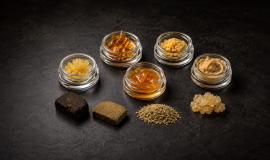
Cannabis concentrates can look pretty different from one another. A jar of rosin, a vape filled with distillate, and a piece of shatter may all come from the same plant, but they can be made in very different ways.
At its simplest, extraction means separating useful compounds from the cannabis plant. Depending on the process, producers may be looking to collect cannabinoids, terpenes, trichomes, or a wider mix of compounds.
Some methods use solvents such as CO₂, hydrocarbons, or ethanol. Others rely on ice water, heat, and pressure. Distillation is a little different — it takes an extract that's already been made and refines it further.
Knowing the basics makes all those concentrate terms a lot easier to understand.
Cannabis Extraction at a Glance
CO₂ Extraction: Uses pressurized carbon dioxide to separate cannabinoids and other compounds from cannabis.
Hydrocarbon Extraction: Uses solvents such as butane or propane and is commonly used to make products such as live resin, badder, wax, and shatter.
Ethanol Extraction: Uses ethanol to pull cannabinoids and other soluble compounds from the plant, often on a larger production scale.
Ice Water Extraction: Uses ice, cold water, and agitation to separate trichomes without chemical solvents.
Rosin Pressing: Uses heat and pressure to squeeze resin from flower or hash.
Distillation: Refines an existing extract by separating compounds according to differences in their boiling points.
What Is Cannabis Extraction?
Cannabis contains THC and CBD along with terpenes, flavonoids, lipids, waxes, pigments, and many other compounds.
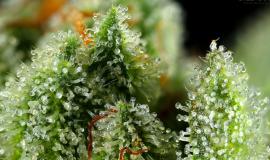
A lot of the compounds producers are interested in are found in and around the plant's trichomes — the tiny resin-producing structures that are especially abundant on cannabis flowers.
Extraction separates some of these compounds from the rest of the plant so they can be collected and turned into concentrates, vape products, edibles, tinctures, and other cannabis products.
There isn't one extraction method that's automatically better than all the others. Each one has its own equipment, advantages, limitations, and possible end products.
CO₂ Extraction
CO₂ extraction uses carbon dioxide under carefully controlled temperature and pressure.
Under the right conditions, CO₂ can enter what's known as a supercritical state, where it has properties of both a liquid and a gas. This allows it to move through cannabis material and dissolve certain compounds.
The pressure is then changed so the CO₂ separates from the extract. The carbon dioxide can be recovered, while the extracted material goes on to further processing.
One reason CO₂ became popular in cannabis production is the amount of control producers have over temperature and pressure. Changing those conditions can affect which compounds are pulled from the plant.
The resulting extract may still need additional refinement before it becomes a finished product.
Hydrocarbon Extraction
Hydrocarbon extraction generally uses butane, propane, or a combination of the two.
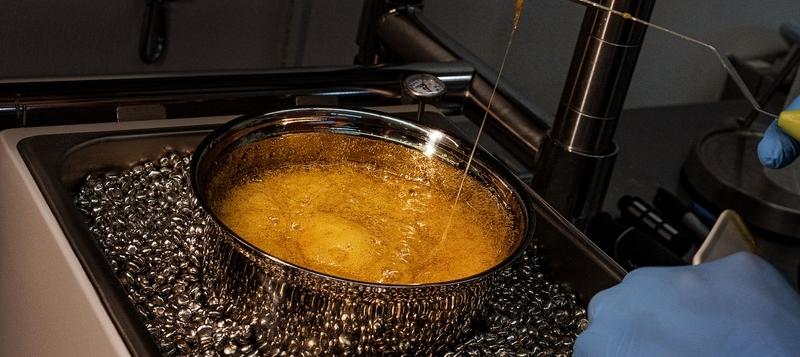
The solvent passes through the cannabis and dissolves cannabinoids, terpenes, and other oil-soluble compounds. The resulting solution is collected, and the solvent is removed using controlled equipment.
Hydrocarbon extraction is commonly associated with concentrates such as:
It's worth pointing out that extraction method and concentrate texture aren't the same thing. What happens after extraction also affects whether the finished product becomes shatter, badder, sauce, or another consistency.
The word "live" also tells you something about the starting material. Live resin is generally made from cannabis that's frozen soon after harvest rather than dried and cured first. The goal is to retain more of the plant's volatile aromatic compounds.
Because hydrocarbons are highly flammable, commercial extraction requires specialized closed-loop equipment, strict procedures, and appropriate safety controls.
READ MORE: Live vs Non-Live Cannabis Concentrates: What’s the Difference?
Ethanol Extraction
Ethanol is another common extraction solvent.
Cannabis is exposed to ethanol, which dissolves cannabinoids along with various other plant compounds. The ethanol is then separated and recovered from the extract.
Temperature plays an important role. Using cold ethanol can reduce the amount of chlorophyll, waxes, and some other unwanted compounds that are pulled from the plant.
One of ethanol's biggest advantages is scalability. Large amounts of cannabis can be processed efficiently, which makes it useful for commercial production.
Depending on the final product, an ethanol extract may go through additional filtration, refinement, solvent recovery, decarboxylation, or distillation.
Ice Water Extraction
Ice water extraction takes a completely different approach because it doesn't use a chemical extraction solvent.
Cannabis is mixed with ice and cold water and then agitated. The cold temperatures make the trichome heads more brittle, helping them separate from the plant.
The mixture is passed through screens or mesh bags with different micron sizes. These filters separate plant material from the resin glands and can also separate the collected material into different grades.
The resulting concentrate is commonly known as bubble hash or ice water hash.
Water is used throughout the process, but the method is generally considered solventless because it doesn't rely on a chemical extraction solvent.
High-quality hash can be used on its own or pressed into another solventless concentrate — hash rosin.
Rosin Pressing
Rosin is made with heat and pressure instead of chemical solvents.
Cannabis is placed between heated plates and compressed. The heat softens the resin while the pressure pushes it out of the starting material, where it can be collected.
The starting material makes a difference.
Flower rosin is pressed directly from cannabis flower.
Hash rosin starts with separated trichomes, often collected through ice water extraction, which are then pressed into rosin.
Because hash rosin goes through that extra separation step, it can contain less plant material than rosin made directly from flower.
Rosin has become one of the most recognizable solventless concentrates because the basic process uses heat, pressure, and mechanical separation rather than a chemical solvent.
Distillation
Distillation is different from the extraction methods above. It's generally a refinement step rather than the initial process used to separate compounds from cannabis flower.
First, an extract is produced using another method. That extract can then be processed and distilled.
Distillation takes advantage of differences in volatility and boiling behavior to separate and concentrate specific compounds. In cannabis production, it's commonly used to make highly concentrated cannabinoid distillate.
The process can remove much of the original aroma and flavor from the plant. That's why some distillate-based vapes and edibles have terpenes or other flavor ingredients added later.
Distillate is commonly used in vape cartridges, edibles, tinctures, and other formulated cannabis products.
Solvent-Based vs. Solventless Extraction
A simple way to look at cannabis extraction is to split the methods into two groups.
Solvent-based extraction includes methods using:
- Carbon dioxide
- Butane
- Propane
- Ethanol
In these processes, the solvent helps dissolve and separate compounds from the plant before being removed or recovered.
Solventless extraction relies mainly on mechanical processes rather than chemical extraction solvents.
Common examples include:
- Ice water hash
- Dry sift
- Flower rosin
- Hash rosin
Solventless doesn't automatically mean better quality, just as solvent-based doesn't automatically mean lower quality. The starting material, equipment, processing conditions, storage, and producer all have an effect on the finished concentrate.
READ MORE: Solventless vs. Solvent-Based Extracts: What’s the Difference & Which Is Better?
Extraction Method vs. Concentrate Texture
This is where cannabis concentrate terminology can get confusing.
"Hydrocarbon extraction" describes a production method.
"Shatter" describes a physical consistency.
"Live resin" tells you about the starting material and the way it was processed.
"Rosin" describes a solventless production method.
"Badder" mainly describes texture.
"Distillate" refers to a highly refined extract produced through distillation.
So two concentrates made using the same basic extraction method can still end up looking, smelling, and behaving quite differently.
Things such as post-extraction processing, temperature, agitation, moisture, cannabinoid content, terpene content, and storage can all affect the final product.
Why Extraction Method Matters
Extraction affects more than whether a concentrate is called resin, rosin, or distillate.
It can influence:
- Which compounds are collected
- How much of the original aroma is retained
- Cannabinoid concentration
- Final texture and consistency
- How much additional refinement is needed
- What types of finished products can be made
For consumers, understanding extraction methods gives you more useful information when comparing concentrates.
Instead of looking at "concentrate" as one big category, you can ask a few more specific questions: What was the starting material? How was it extracted? Was it refined afterward? Is it full-spectrum or highly purified? Were the terpenes retained or added back later?
Those details can tell you quite a bit about a concentrate — often more than the THC percentage alone.
Final Thoughts
Cannabis extraction isn't one single process. There are several ways to separate, preserve, concentrate, and refine different parts of the plant.
CO₂, hydrocarbons, and ethanol use solvents to extract compounds. Ice water uses cold temperatures and mechanical separation to collect trichomes. Rosin uses heat and pressure. Distillation takes an existing extract and refines it further.
None of these methods tells you everything about the quality of a finished product. The starting material, processing, testing, formulation, and storage all matter.
Once you understand the basics, terms like live resin, hash rosin, distillate, shatter, and badder become much easier to make sense of — and concentrate labels become a lot more useful.
Health Disclaimer: The information provided in this article is for educational purposes only and should not be considered medical or legal advice. Cannabis laws and regulations may change over time. Always refer to current Colorado laws and consult a qualified healthcare professional before using cannabis.