
Cannabis Resin: What Is It and Why Does the Plant Produce It?
Discover why cannabis produces sticky resin and how trichomes, cannabinoids, terpenes, and concentrates are connected.
Why Is Cannabis Sticky?
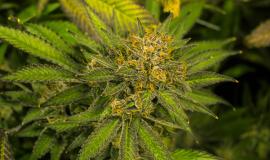
Pick up a good piece of cannabis flower and you’ll probably notice two things right away: it can be sticky, and it can look almost covered in frost. That comes largely from the tiny resin-producing structures covering the flower.
These structures are called trichomes. They produce and hold a resin rich in cannabinoids, terpenes, and other plant compounds. For us, that resin is a big part of what makes cannabis smell, taste, and produce its familiar effects.
The plant, of course, isn't making resin for our benefit. Resin appears to play several roles in protecting the plant and its flowers from the environment.
Cannabis Resin at a Glance
What it is: Sticky, compound-rich material produced by cannabis
Produced by: Glandular trichomes
Found mostly on: Flowers and the small leaves around them
Contains: Cannabinoids, terpenes, and other plant compounds
Plant function: Protection and interaction with the environment
Why it matters to us: Much of cannabis's cannabinoid and aromatic chemistry is concentrated in its resin
What Is Cannabis Resin?
Cannabis resin is the sticky material produced and stored by specialized structures on the plant called glandular trichomes.
One distinction is worth making here: trichomes aren't resin. Trichomes are the structures that make and hold the resin.
And resin isn't simply THC. It's a mixture of compounds that includes cannabinoids, terpenes, and other components of the plant's chemistry.
Fresh cannabis also contains cannabinoids mainly in their acidic forms, such as THCA and CBDA. When exposed to heat, these compounds can undergo decarboxylation and become the neutral forms more familiar to consumers, such as THC and CBD.
What Are Cannabis Trichomes?
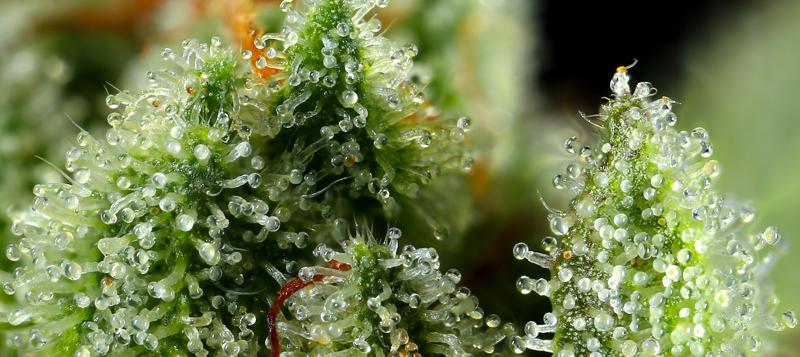
If you've ever looked closely at cannabis flower, the tiny crystal-like structures covering the buds are trichomes.
Cannabis has several types of trichomes, including bulbous, capitate-sessile, and capitate-stalked trichomes. The capitate-stalked type is the one most people are talking about when they describe a flower as frosty. They're relatively large, mushroom-shaped structures with a stalk and a glandular head.
The glandular head is where much of the plant's resin is produced and stored. On a good piece of flower, thousands of these structures can cover the surface.
That heavy coating is what gives cannabis its familiar sparkling or frosted appearance.
Where Does Cannabis Produce the Most Resin?
Resin isn't spread evenly across the whole plant.
Glandular trichomes are especially concentrated around female flowers and the small leaves surrounding them. The bracts that make up much of the flower can carry heavy trichome coverage, as can the small leaves known as sugar leaves.
The name “sugar leaf” is pretty literal. These small leaves can look as if they've been dusted with sugar because they're covered in trichomes.
Large fan leaves, on the other hand, generally have far fewer glandular trichomes.
What's Inside Cannabis Resin?
Cannabinoids are a major part of cannabis resin. THC and CBD get most of the attention, but the plant also produces compounds such as CBG, CBC, and others. In fresh cannabis, many of these cannabinoids are present in acidic forms.
Terpenes are another important part of the mix. Myrcene, limonene, caryophyllene, pinene, and linalool are just a few of the terpenes found in cannabis. They contribute heavily to the plant's aroma and flavor, although they aren't the only compounds responsible for what we smell.
So when you see a heavily resinous flower, you're looking at a part of the plant where a lot of its interesting chemistry is concentrated.
Why Does the Cannabis Plant Produce Resin?
This is where things get interesting. Cannabis resin doesn't have one simple job.
Research suggests that glandular trichomes and the compounds they contain can help protect the plant in several ways.
The sticky surface and chemical compounds may discourage some animals and insects from feeding on the flowers. Strong aromas and bitter or otherwise unpleasant compounds can also make the reproductive parts of the plant less attractive to herbivores.
Trichomes may also help protect delicate plant tissue from environmental stress, including UV exposure.
They're particularly abundant around female flowers, which are the plant's reproductive structures. Protecting those structures is obviously useful from the plant's point of view.
So while humans have found plenty of uses for cannabis resin, its original purpose is much more about the plant protecting itself and its reproductive tissues.
Why Are Female Cannabis Flowers So Resinous?
The flowers sold as cannabis flower are generally produced from female plants, and those flowers can develop large numbers of glandular trichomes.
Commercial cannabis is also commonly grown as sinsemilla, meaning seedless flower. When female plants aren't pollinated, they continue developing flowers rather than producing mature seeds.
That helps explain why modern cannabis flower can have such heavy trichome coverage. The resin-rich flowers are exactly the part of the plant consumers are interested in.
Why Does Cannabis Resin Feel Sticky and Look Frosty?
The two characteristics come from the same basic source, but they show up differently.
The resin contains oily, sticky compounds, so heavily resinous flower can feel tacky when handled. Breaking or squeezing the flower can rupture trichome heads and spread that resin across the surface.
The frosty appearance comes from the huge number of trichomes reflecting light. Under magnification, individual trichomes can appear clear, cloudy, or amber as they develop.
Growers often look at trichomes when assessing flower maturity, but trichome color isn't a precise way to predict how cannabis will affect someone. It's one visual clue among many.
Does More Resin Mean Stronger Cannabis?
Not necessarily.
A flower covered in trichomes may look extremely potent, but you can't determine its THC percentage just by looking at it.
Different cultivars can produce different amounts of resin, and those trichomes can also contain different combinations and concentrations of cannabinoids and terpenes.
So a very frosty bud isn't automatically stronger or better than a less frosty one.
If you're comparing products, the cannabinoid and terpene results from the actual batch are much more useful than appearance alone.
What Happens to Cannabis Resin After Harvest?
Once the plant has been harvested, it isn't producing new resin.
The resin that's already there can still change over time, though. Heat, light, oxygen, excessive handling, and age can all affect cannabinoids and other compounds. Terpenes are particularly sensitive because many of them are volatile.
That's one reason drying, curing, packaging, and storage matter so much.
It's also why constantly handling your flower isn't a great idea. Trichomes are delicate, and rubbing the buds can knock them off or rupture them.
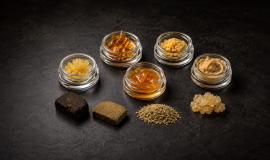
How Cannabis Resin Becomes Concentrates
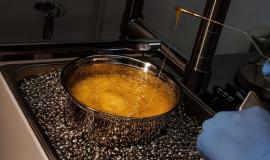
A lot of cannabis concentrate production starts with the same basic idea: separate the resin-rich parts of the plant from the rest of the plant material.
Kief and dry sift use mechanical separation to collect trichomes.
Ice water hash uses cold water and agitation to separate trichomes from the flower.
Rosin uses heat and pressure to press resin-rich material into a concentrate.
Solvent-based extraction uses substances such as hydrocarbons, ethanol, or CO₂ to extract cannabinoids and other compounds, depending on the method.
There's much more to each process, but the basic connection is simple: concentrates are ways of collecting and concentrating the compounds found in cannabis resin.
Resin vs. Rosin: A Common Mix-Up
These two words sound almost identical, but they mean completely different things.
Resin is produced naturally by the cannabis plant.
Rosin is a cannabis concentrate made using heat and pressure.
So if you're looking at a frosty cannabis bud, you're looking at trichomes containing resin. If you're looking at a jar of rosin, you're looking at a concentrate made by processing resin-rich cannabis material.
Terms such as live resin and cured resin describe particular types of concentrates and how the starting cannabis was handled. They're not simply another name for the resin naturally found on the plant.
Final Thoughts
That sticky, sparkling coating on cannabis flower isn't just there to make the buds look good.
Glandular trichomes produce resin containing cannabinoids, terpenes, and other compounds. For the plant, that resin appears to have several protective roles. For humans, those same compounds are a major part of cannabis's aroma, flavor, potency, and usefulness as the starting material for concentrates.
Understanding resin also explains a lot of things you see every day when looking at cannabis: why some flower is sticky, why it looks frosty, why trichomes matter, why storage can affect quality, and why so many concentrates begin with the same tiny structures covering the flower.
Health Disclaimer: The information provided in this article is for educational purposes only and should not be taken as medical advice. Always consult with a qualified healthcare provider before using cannabis, particularly if you have pre-existing conditions or are taking medication.
Photo: greendotlabs.com