

Eucalyptol Terpene: Aroma, Uses, and Potential Benefits
Discover the refreshing terpene behind the cooling aroma of eucalyptus, rosemary, and some cannabis cultivars.
Eucalyptol, also known as 1,8-Cineole or simply Cineole, is a terpene best known for giving eucalyptus that unmistakable fresh aroma. It is also a minor cannabis terpene found in much smaller amounts in the plant.
Most people have come across Eucalyptol many times without realizing it. It's responsible for the cool, clean scent associated with products like vapor rubs, certain cough drops, and many essential oils. It's also one of the better-studied terpenes outside the cannabis world, and is familiar to researchers and consumers alike.
Eucalyptol at a Glance
Type: Monoterpene
Also Known As:
1,8-Cineole
Cineole
Primary Aroma:
Fresh
Cooling
Eucalyptus
Mint-like
Camphoraceous
Common Flavor Notes:
Herbal
Cooling
Slightly spicy
Refreshing
Naturally Found In:
Cannabis (usually in small amounts)
Eucalyptus
Rosemary
Sage
Bay leaves
Tea tree
Cardamom
Basil
Wormwood
Mugwort
What Is Eucalyptol?
Eucalyptol is a naturally occurring monoterpene found in hundreds of aromatic plants. It's most closely associated with eucalyptus because it often makes up 70% to 90% of eucalyptus essential oil, giving the plant that familiar scent.
Although Eucalyptus contains by far the highest concentrations, it's far from the only source. Smaller amounts of eucalyptol are found in herbs, spices, and even cannabis, where it contributes to the overall terpene profile rather than dominating it.
In cannabis, it's generally considered a minor terpene, but even small amounts can add a noticeable layer of freshness.
What Does Eucalyptol Smell Like?
Fresh and cooling are the words most people use when describing eucalyptol.
Its aroma is often compared to:
- Fresh eucalyptus leaves
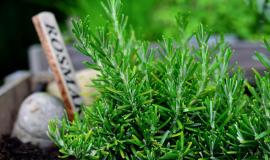
- Rosemary
- Bay leaves
- Herbal tea
- Vapor rub
- Clean forest air
Along with those cooling notes, there's usually a slightly woody, herbal character with a touch of camphor. It's a profile that feels crisp rather than sweet, making it quite different from fruit-forward terpenes like limonene.
Plants That Naturally Contain Eucalyptol
Eucalyptol appears naturally in a wide variety of herbs, trees, and aromatic plants, including:
- Eucalyptus
- Rosemary
- Sage
- Bay laurel
- Tea tree
- Cardamom
- Basil
- Wormwood
- Mugwort
- Sweet marjoram
- Hyssop
- Ginger (in smaller amounts)
Many of these plants share a fresh, herbal aroma, and eucalyptol is one of the compounds responsible for it.
Common Commercial Uses
Even if you've never looked at a terpene report, you've almost certainly encountered eucalyptol before.
It's commonly used in products such as:
- Cough drops
- Cough syrups
- Mouthwash
- Toothpaste
- Vapor rubs
- Essential oils
- Aromatherapy products
- Perfumes
- Cleaning products
- Spa and wellness products
Its clean, recognizable aroma has made it a popular ingredient well beyond the cannabis industry.
Eucalyptol in Cannabis
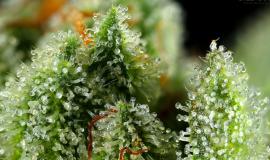
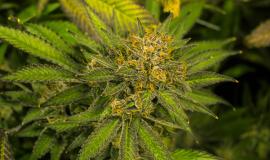
Compared to plants like eucalyptus, cannabis usually contains only modest amounts of Eucalyptol.
Instead of taking over the aroma, it tends to work alongside terpenes such as Pinene, Terpinolene, and Limonene. Together, they can create fresh, herbal, or pine-forward profiles that feel noticeably different from sweeter strains.
Because terpene levels vary between cultivars and batches, some products may contain only trace amounts while others express it more clearly.
Potential Benefits Being Studied
Like many naturally occurring terpenes, Eucalyptol has attracted attention from researchers for years.
Aroma Experience
Consumers often describe strains containing eucalyptol as having a fresh, cooling, and invigorating aroma. While it rarely dominates the profile, it can make a strain smell cleaner and more herbal.
Areas Being Researched
Researchers continue studying purified 1,8-cineole in several areas, including:
- Respiratory health
- Inflammation
- Antioxidant activity
- Antimicrobial properties
Most of this research involves purified Eucalyptol rather than cannabis itself, so the findings shouldn't automatically be applied to cannabis products. More research is still needed.
Why People Like It
Fresh Aroma
Its cooling herbal scent stands apart from sweeter fruit-forward terpenes.
Unique Flavor
Even in smaller amounts, it adds clean herbal complexity to a terpene profile.
Easy to Recognize
Many people associate its aroma with eucalyptus, rosemary, herbal remedies, or spa products long before they encounter it in cannabis.
Eucalyptol vs. Menthol
Eucalyptol and menthol are often confused because both create a cooling impression, but they're different compounds.
Menthol comes primarily from mint plants and isn't considered a naturally occurring cannabis terpene. Eucalyptol creates a similar cooling aromatic character while leaning more toward herbal, woody, and eucalyptus-like notes than the distinctly minty profile of menthol.
Frequently Asked Questions
Is Eucalyptol the same as Cineole?
Yes. Eucalyptol, Cineole, and 1,8-Cineole are different names for the same compound.
Does cannabis contain a lot of Eucalyptol?
Usually not. Most cannabis cultivars contain relatively small amounts compared to eucalyptus and other aromatic plants.
Is Eucalyptol only found in eucalyptus?
No. It's naturally present in many herbs, spices, and trees, including rosemary, sage, basil, bay laurel, cardamom, and tea tree.
Why is it called Eucalyptol?
The compound was first identified as the primary aromatic component of eucalyptus oil, hence the name.
Final Thoughts
Eucalyptol may not be the first terpene people think of when discussing cannabis but it's one of the easiest to recognize once you know its aroma. The same fresh, cooling character that defines eucalyptus oil also appears in a wide range of herbs, essential oils, and everyday products.
In cannabis, it's usually a supporting terpene rather than the star of the show, adding crisp herbal notes that help round out the overall profile. For anyone interested in learning more about terpenes, Eucalyptol is an easy one to appreciate because chances are you've been smelling it for years.
Health Disclaimer: The information provided in this article is for educational purposes only and should not be taken as medical advice. Always consult with a qualified healthcare provider before using cannabis, particularly if you have pre-existing conditions or are taking medication.