
CBD Topicals vs THC Topicals: Which One Is Right for You?
Choosing between CBD and THC topicals? We break it down for you.
CBD Topicals vs. THC Topicals: Which One Should You Choose?
Walk into almost any dispensary and you'll probably find shelves lined with cannabis creams, balms, lotions, and salves. Some contain CBD, others THC, and many combine both. If you're new to topicals, figuring out which one to buy can be confusing.
The good news is that the choice usually isn't about which cannabinoid is "better." It comes down to what you're looking for and the type of product you're buying.
If you're just getting started, check out our complete guide to cannabis topicals first.
CBD vs. THC: What's the Actual Difference?
Both CBD and THC topicals are applied directly to the skin and are meant to be used where you apply them.
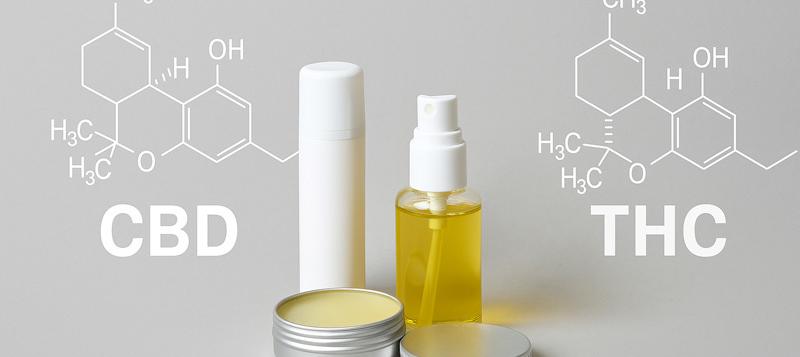
The biggest difference is the cannabinoid itself.
CBD isn't intoxicating and is often chosen by people who simply want a cannabis-infused topical as part of their daily routine.
THC, meanwhile, is the cannabinoid most people associate with getting high. That surprises some shoppers when they learn that rubbing a THC cream on a shoulder, knee, or back generally won't produce those effects.
That's because traditional cannabis topicals stay close to the surface of the skin instead of entering the bloodstream.
Why Some People Prefer CBD Topicals
CBD products tend to be the easiest place to start.
They're commonly used after a workout, at the end of the day, or anytime someone wants to work a lotion or balm into tired muscles or dry skin. Many CBD topicals also include ingredients like shea butter, aloe, or essential oils, making them feel just as much like skincare products as cannabis products.
For people who don't want THC at all, CBD is often the natural choice.
Why Others Choose THC Topicals
THC topicals are usually chosen for the same reason as CBD products—they're applied to a specific area instead of affecting the whole body.
Some consumers simply prefer products containing THC, while others look for formulas that combine THC and CBD together. The exact cannabinoid ratio varies from one product to another, so it's always worth checking the label before you buy.
Despite the presence of THC, standard creams, lotions, and balms generally aren't intoxicating.
Don't Confuse Topicals with Transdermals
This is where things often get mixed up.
A regular cannabis topical isn't the same as a transdermal patch.
Traditional topicals stay near the area where you apply them. Transdermal products are specifically designed to move cannabinoids through the skin and into the bloodstream.
That means a THC transdermal patch can produce psychoactive effects, while a typical THC lotion or balm generally does not.
Want a closer look at the differences? Read our guide to Cannabis Topicals vs. Transdermals: What's the Difference?.
Which One Should You Buy?
There's no universal answer.
If you'd rather avoid THC altogether, a CBD topical is an easy choice.
If you're specifically looking for a THC product—or a formula that combines both cannabinoids—you'll find plenty of options as well.
Beyond the cannabinoid itself, think about the type of product you actually want. Some people prefer lotions because they absorb quickly. Others like thicker balms or salves that stay on the skin longer. Reading the ingredient list is also worthwhile, especially if you're looking for moisturizing ingredients or scented formulas.
Store Them Like Any Other Skincare Product
Cannabis topicals don't require any special treatment. Keep the container tightly closed, store it somewhere cool and dry, and avoid leaving it in direct sunlight or excessive heat.
For more storage tips, check out our guide on How to Store Cannabis Topicals: How Long Can They Last?.
Final Thoughts
CBD and THC topicals do many of the same things, but they aren't identical. CBD products appeal to people who want a non-intoxicating option, while THC topicals remain popular with consumers who prefer THC-containing formulas without the psychoactive effects typically associated with smoking or edibles.
Whichever you choose, take a minute to read the label. Looking at the cannabinoid content, ingredients, and product type will usually tell you far more than the name on the package.
Health Disclaimer: The information provided in this article is for educational purposes only and should not be taken as medical advice. Always consult with a qualified healthcare provider before using cannabis, particularly if you have pre-existing conditions or are taking medication.