
CBCV Cannabinoid Explained: Effects, Benefits, and How It Differs From Other Cannabinoids
CBCV is one of the rarest cannabinoids in cannabis, drawing attention for its unique structure and growing role in minor cannabinoid research.
Introduction
CBCV is one of the lesser-known cannabinoids found in cannabis. It belongs to the “varin” group, which includes compounds like THCV and CBDV. Compared to THC and CBD, there’s very little research available, and most of what exists is still early-stage.
At this point, CBCV is more of a research topic than a real consumer product. You’re unlikely to see it on shelves, and most studies are still limited to lab and preclinical work.
What Is CBCV?
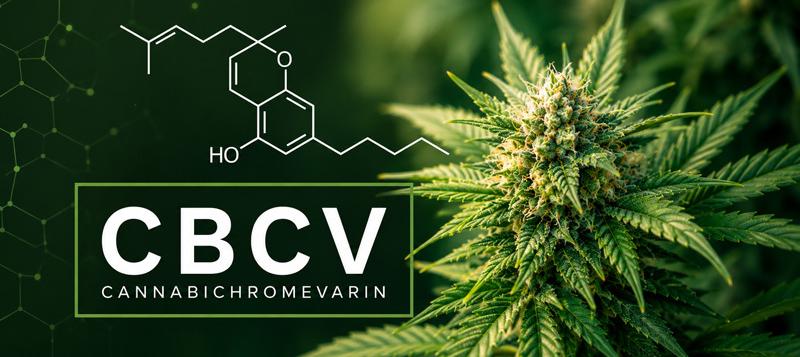
CBCV stands for cannabichromevarin, sometimes referred to as cannabivarichromene. It’s closely related to CBC (cannabichromene), but with one key difference - it belongs to the “varin” group, meaning it has a shorter side chain.
This might sound technical, but it matters because that structural change can affect how the compound behaves in the body.
Like most minor cannabinoids, CBCV shows up in very small amounts in cannabis, which is part of why it hasn’t been studied as much.
There’s a general pattern across cannabinoids:
THC → THCV
CBD → CBDV
CBC → CBCV
How CBCV Is Produced in the Cannabis Plant
Inside the plant, cannabinoids start as precursor compounds and then convert into their final forms over time or with heat.
CBCV follows a similar path. It begins as CBGVA, then becomes CBCVA, and eventually converts into CBCV through decarboxylation - the same general process that turns THCA into THC or CBDA into CBD.
Because plants don’t usually produce much CBGVA, CBCV stays rare and isn’t something growers typically target.
Does CBCV Cause a High?
Based on what’s currently known, CBCV is likely non-intoxicating or only very mildly active. It doesn’t appear to produce the kind of high associated with THC.
That puts it closer to cannabinoids like CBC, CBDV, or CBG, though research is still too limited to say anything with certainty.
How CBCV May Interact With the Body
Like other cannabinoids, CBCV is being studied for how it interacts with the endocannabinoid system.
Researchers are looking at how it may relate to CB receptors, TRP channels, and how it behaves alongside other cannabinoids in what’s often called the entourage effect.
That said, CBCV itself isn’t well understood yet. Most assumptions are based on similarities to CBC and other related compounds, but they are not identical.
Potential Effects and Areas of Research
Research on CBCV is still early, but there are a few areas scientists are exploring.
- Possible anticonvulsant activity
- Neurological research
- Inflammation-related pathways
- Mood and balance studies
Most of this comes from lab work and animal studies, not human trials. It’s better to think of CBCV as something being explored rather than something fully understood.
CBCV vs CBC: What’s the Difference?
CBC and CBCV are closely related, but not the same.
CBC has been studied more and is slightly easier to find, while CBCV is still very niche. The main difference comes down to structure, with CBCV having that shorter “varin” side chain.
Both are considered minor cannabinoids, but CBC is further along in terms of research and availability.
CBCV vs CBDV and THCV
CBCV is often grouped with other “V” cannabinoids like THCV and CBDV.
Out of the three, THCV gets the most attention commercially, and CBDV has seen more research, especially around neurological topics. CBCV is still the least explored of the group.
Why Minor Cannabinoids Matter
Cannabis is made up of more than just THC and CBD. Minor cannabinoids and terpenes all play a role in shaping how a product feels.
This is part of what people refer to as the entourage effect - how compounds work together rather than on their own.
As interest grows, both researchers and consumers are paying more attention to these lesser-known cannabinoids and how they might contribute to different types of experiences.
Can You Find CBCV Products?
Right now, CBCV products are rare. Most people won’t come across it in any meaningful amount.
It may show up in trace levels in certain extracts or experimental formulations but it’s not something widely available on its own.
Part of that comes down to how little of it the plant naturally produces and how difficult it is to isolate.
Things to Keep in Mind
CBCV is still in the early stages of research.
There’s very little human data, and product consistency can vary when it comes to rare cannabinoids.
If you do come across products mentioning CBCV, it’s worth checking lab results and sticking to licensed sources rather than relying on marketing claims.
Final Thoughts
CBCV is one of many minor cannabinoids that highlight how complex cannabis really is. While it’s not well understood yet, interest in compounds like this continues to grow.
For now, CBCV is more of a research cannabinoid than something you’ll regularly see in products, but that could change as more studies and breeding efforts develop.
Health Disclaimer: The information provided in this article is for educational purposes only and should not be taken as medical advice. Always consult with a qualified healthcare provider before using cannabis, particularly if you have pre-existing conditions or are taking medication.